Getting Around Japan
Japan's transport network is dense, punctual, and mostly self-service — which makes it easy to use and easy to get subtly wrong. Fares are distance-based, a single journey can cross several private operators without you noticing, and the payment method that works flawlessly all week can be refused the one time you try to leave the region. These guides explain the systems behind the gates, one mode of travel at a time.
Browse transportation
How to travel around Japan: trains, flights, buses, driving, taxis, ferries, bicycles, and the tickets and passes that pay for them.
Trains
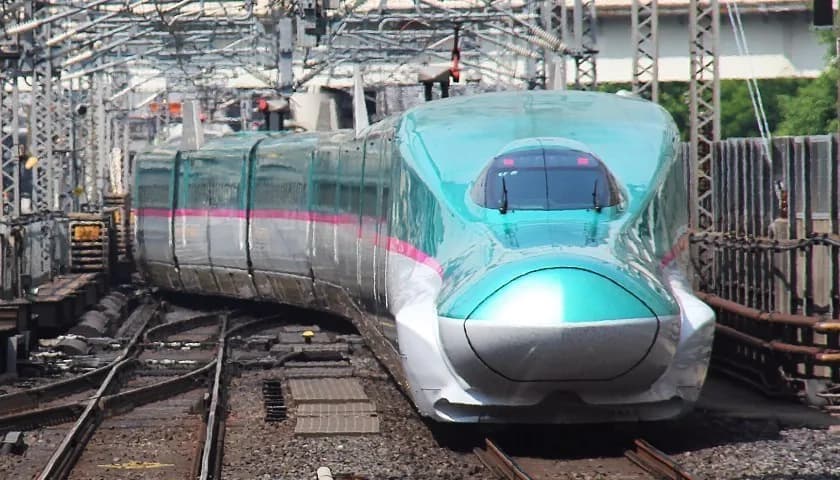
How Japan's railways work: JR and private operators, local versus express services, reserved seats, and reading a network that spans dozens of companies.
ExploreFlights
When flying beats the bullet train in Japan, the main domestic airlines and airports, baggage rules, and how to get from the airport into the city.
ExploreBuses
How Japanese buses work: paying on city routes, overnight highway buses between cities, and reaching the rural places trains do not go.
ExploreDriving
What visitors need to drive in Japan: the international permit requirement, renting a car, expressway tolls, parking, and where driving genuinely beats the train.
ExploreTaxis
Using taxis in Japan: what they cost, how to hail or book one, paying by card or IC card, and the conventions that surprise first-time visitors.
ExploreFerries
Travelling Japan by sea: island ferries, long-distance overnight routes, cabin classes, and how boats reach places the rail network cannot.
ExploreBicycles
Getting around Japan by bicycle: renting and share schemes, the parking rules that catch visitors out, and the long-distance routes worth planning a trip around.
ExploreTickets & Passes
What to buy before you travel in Japan: transit IC cards, regional and nationwide rail passes, and working out which of them is worth the money.
ExploreTransportation
Plan the rest of your trip
Every guide covers one topic properly, so you can read only the ones your trip actually needs.
Frequently asked questions
What is the best way to get around Japan?
For most visitors, trains — they reach nearly everywhere, run to the minute, and need no planning beyond turning up. Flights make sense for long hops such as Tokyo to Okinawa or Sapporo, buses are the cheapest option for intercity travel, and a rental car only earns its place in rural areas where the rail network thins out.
Do I need to book transport before arriving in Japan?
Rarely. Local trains, subways and buses need no reservation at all — you tap in and go. Long-distance services are worth reserving in advance during the New Year, Golden Week and Obon holidays, when trains genuinely sell out, but outside those weeks a same-day seat is usually available.
How do I pay for transport in Japan?
A transit IC card covers almost all local travel: trains, subways, most city buses, and a great many shops. Long-distance and reserved services need their own ticket, bought at a machine, a counter, or online.
Is transport in Japan expensive?
Local travel is inexpensive by big-city standards, with typical urban journeys costing a few hundred yen. Long-distance travel is where costs mount: a one-way bullet train between Tokyo and Kyoto runs into five figures in yen, which is why rail passes and overnight buses exist.